Choosing the right flooring is one of the most important decisions you'll make when renovating your home. Flooring affects not only the visual appeal of your space but also its comfort, durability, maintenance requirements, and even property value. With so many types of flooring available at American home improvement stores—from classic hardwood to modern luxury vinyl plank—making the right choice can feel overwhelming. Whether you're remodeling a kitchen, updating a bathroom, or refreshing your living room, understanding the pros and cons of each flooring type will help you make an informed decision. In this comprehensive guide, we'll explore the five most popular flooring options, compare their features, and help you determine which material is best suited for each room in your home. We'll also show you how to use a flooring calculator to determine exactly how much material you need for your project.
Introduction
When planning a home renovation, few decisions have as much impact as choosing the right flooring. The flooring you select sets the tone for your entire space, influences how comfortable your home feels, and affects its long-term value. Whether you're a first-time homeowner tackling your first renovation or a seasoned DIYer updating your property, understanding the different types of flooring available is essential. In the United States, homeowners have access to a wide variety of flooring options at stores like Home Depot, Lowe's, and local flooring retailers. Each type of flooring has unique characteristics that make it suitable for specific rooms and lifestyles. Solid hardwood offers timeless elegance and durability but requires careful maintenance. Laminate provides an affordable alternative that mimics the look of wood without the high cost. Vinyl has evolved dramatically in recent years, offering waterproof performance and realistic wood and stone looks. Tile remains the gold standard for wet areas, while carpet provides unmatched comfort and warmth. This guide will walk you through each flooring type in detail, helping you understand their advantages, disadvantages, and ideal applications. By the end, you'll have all the information you need to choose the best flooring for your home and use our flooring calculator to ensure you purchase the right amount of material.
Hardwood Flooring
Hardwood flooring is the classic choice for American homes, prized for its natural beauty, durability, and ability to increase property value. There are two main types of hardwood flooring available:
- Solid Hardwood: Made from a single piece of solid wood, typically 3/4 inch thick. Can be sanded and refinished multiple times over its lifetime, making it a long-term investment that can last 50 years or more with proper care.
- Engineered Hardwood: Constructed with a top layer of real wood bonded to multiple layers of plywood or high-density fiberboard (HDF). More stable than solid hardwood and less susceptible to warping from humidity changes. Can usually be refinished 1-2 times.
- Advantages: Natural, timeless appearance that improves with age; adds significant value to your home; durable enough for high-traffic areas; easy to clean with regular sweeping and occasional mopping.
- Disadvantages: Higher upfront cost compared to other flooring types; sensitive to moisture and humidity changes; requires periodic refinishing every 10-15 years; can be damaged by water spills if not cleaned promptly.
- Best For: Living rooms, bedrooms, dining rooms, and hallways. Not recommended for bathrooms, kitchens, or basements where moisture levels are high.
Laminate Flooring
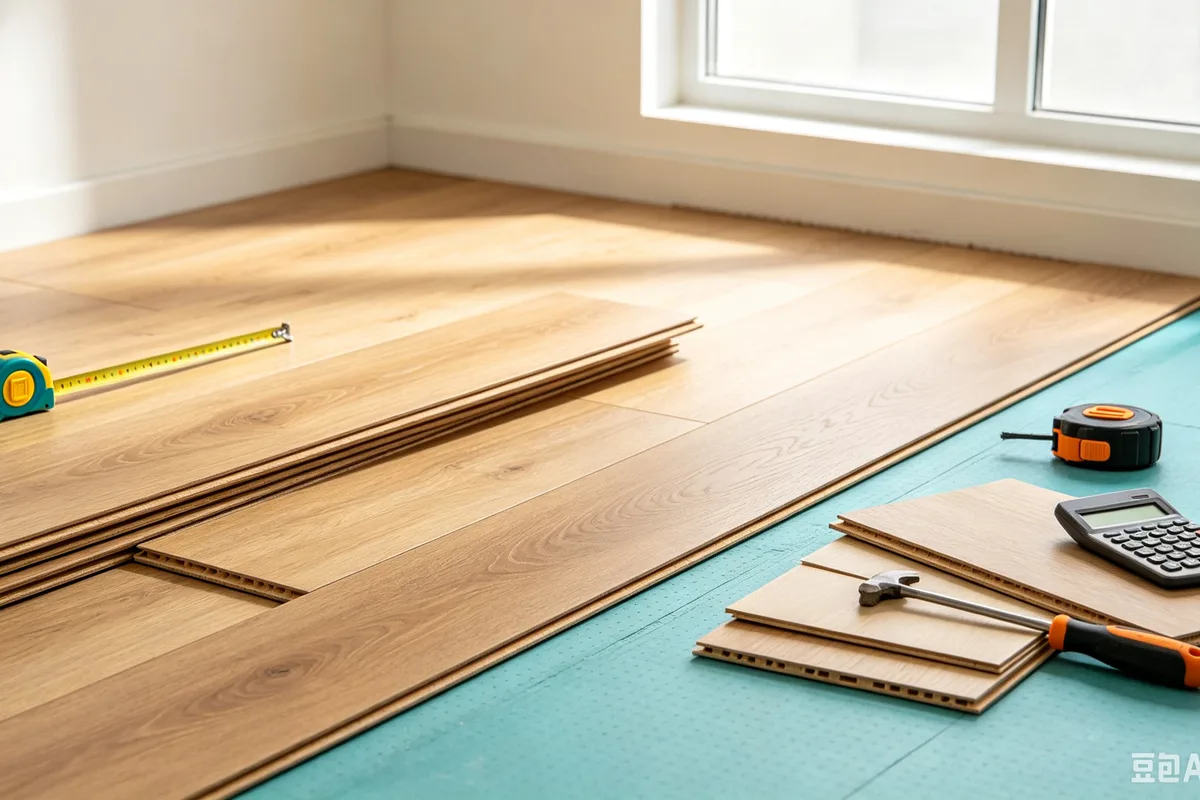
Laminate flooring is a popular budget-friendly alternative to hardwood that has grown in popularity over the past decade. It consists of multiple layers fused together under high pressure:
- Construction: A high-density fiberboard (HDF) core with a printed image layer that mimics wood grain, stone, or tile, topped with a durable wear layer that resists scratches and stains.
- Advantages: Affordable price point, typically 50-70% less than hardwood; easy DIY installation using click-lock technology; highly scratch-resistant surface; wide variety of styles and colors; easy to clean and maintain.
- Disadvantages: Cannot be sanded or refinished when worn; less natural underfoot feel compared to hardwood; can be damaged by excessive moisture; edges can chip if not installed properly.
- Best For: Budget-conscious homeowners, rental properties, high-traffic areas like hallways and family rooms, and areas where cost is a primary concern.
Vinyl Flooring
Vinyl flooring has undergone a dramatic transformation in recent years, evolving from the cheap, thin sheets of the past to luxury vinyl plank (LVP) that rivals the appearance of real wood:
- Types of Vinyl: Luxury Vinyl Plank (LVP) - planks that look like hardwood; Luxury Vinyl Tile (LVT) - square tiles that look like stone or tile; Vinyl Sheet - large rolls for seamless installation.
- Waterproof Features: Most modern vinyl flooring is completely waterproof, making it ideal for wet areas. The core material (usually WPC - Wood Plastic Composite or SPC - Stone Plastic Composite) resists moisture absorption.
- Advantages: 100% waterproof; highly durable and scratch-resistant; realistic wood and stone visuals; easy DIY installation with click-lock systems; affordable price point; easy maintenance with just damp mopping.
- Best For: Kitchens, bathrooms, laundry rooms, basements, mudrooms, and any area prone to spills or moisture. Also excellent for families with children and pets.
Tile Flooring
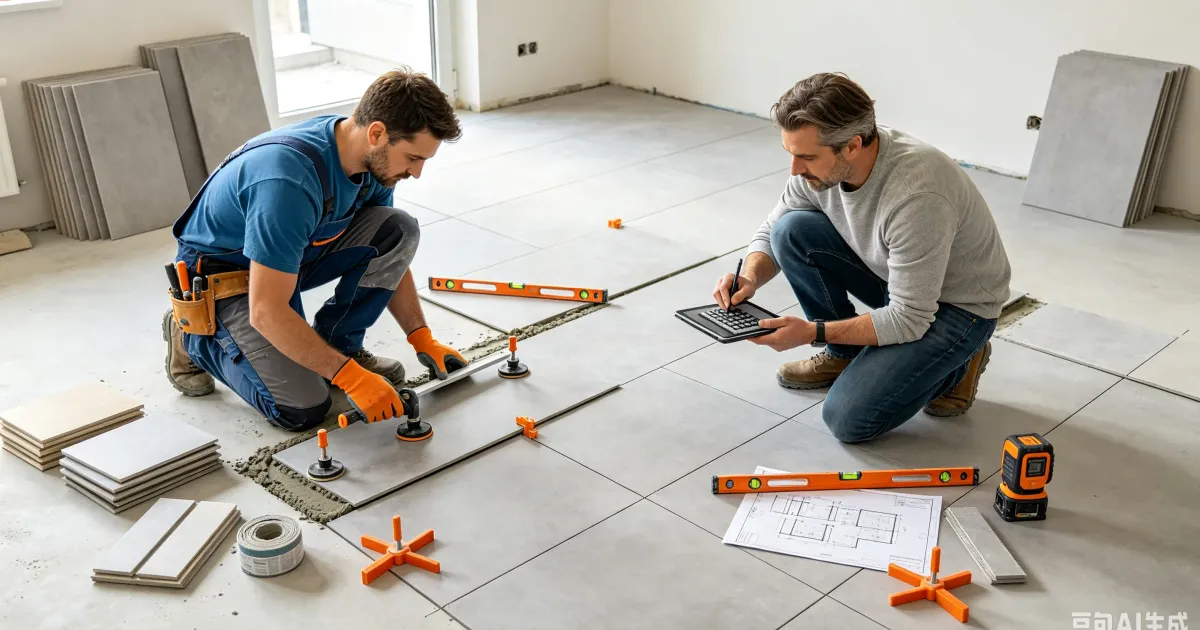
Tile flooring has been used for centuries and remains one of the most durable flooring options available today. It's particularly popular in areas where water resistance is essential:
- Types of Tile: Ceramic Tile - made from clay and fired at high temperatures; Porcelain Tile - denser and more durable than ceramic, made from finer clay and fired at higher temperatures.
- Advantages: Extremely durable with a lifespan of 50+ years; completely water-resistant; easy to clean with just soap and water; resistant to stains and scratches; wide variety of colors, patterns, and sizes available.
- Disadvantages: Cold surface underfoot, especially in winter; harder surface can be uncomfortable for long periods of standing; installation requires professional skills or significant DIY experience; grout lines require regular cleaning to prevent staining.
- Best For: Bathrooms, kitchens, entryways, mudrooms, and outdoor patios. Also suitable for laundry rooms and basements with proper moisture protection.
Carpet Flooring
Carpet remains a popular choice for bedrooms and living areas where comfort and warmth are priorities. Modern carpet comes in a wide range of styles and qualities:
- Types of Carpet: Cut Pile - individual fibers cut at the top for softness; Loop Pile - fibers looped for durability; Berber - a type of loop pile known for durability; Plush - dense, soft cut pile for luxurious feel.
- Advantages: Unmatched comfort and softness underfoot; excellent noise reduction properties; provides warmth in cold climates; wide variety of colors, patterns, and textures; hides minor subfloor imperfections.
- Disadvantages: Requires regular vacuuming and periodic deep cleaning; not suitable for wet areas like bathrooms and kitchens; can trap allergens and pet dander; stains can be difficult to remove; shorter lifespan compared to hard flooring.
- Best For: Bedrooms, living rooms, playrooms, and home offices. Not recommended for areas with high moisture or heavy foot traffic with dirt and debris.
How to Choose the Right Flooring for Each Room
Different rooms have different requirements based on usage, moisture levels, and traffic. Here's how to match flooring to each room in your home:
- Living Room: Hardwood or high-quality laminate for timeless elegance and durability. Engineered hardwood works well if humidity is a concern. Area rugs can add comfort and define seating areas.
- Bedrooms: Carpet for warmth and noise reduction, or hardwood with area rugs for a cleaner look. Luxury vinyl plank is a good alternative for bedrooms with pets or kids.
- Kitchen: Luxury vinyl plank (LVP) or porcelain tile for water resistance and easy cleaning. Avoid solid hardwood due to moisture concerns. Laminate can work if you're on a tight budget.
- Bathroom: Porcelain tile is the gold standard for durability and water resistance. Luxury vinyl plank is a more budget-friendly alternative that still offers waterproof performance.
- Basement: Luxury vinyl plank or porcelain tile are both excellent choices due to their waterproof properties. Avoid carpet and solid hardwood unless you have excellent moisture control.
Flooring Cost Comparison
Cost is always a major consideration when choosing flooring. Here's a breakdown of average costs for different flooring types in the United States:
- Hardwood: High cost - $5-$15 per square foot for materials, plus $3-$8 per square foot for professional installation. Total: $8-$23 per square foot.
- Laminate: Low-medium cost - $2-$5 per square foot for materials. Easy DIY installation saves on labor costs. Total: $2-$8 per square foot with installation.
- Vinyl (LVP/LVT): Low-medium cost - $3-$7 per square foot for materials. DIY-friendly with click-lock installation. Total: $3-$10 per square foot with installation.
- Tile: Medium-high cost - $5-$15 per square foot for materials, plus $5-$10 per square foot for professional installation. Total: $10-$25 per square foot.
- Carpet: Low-medium cost - $2-$8 per square foot for materials, plus $1-$3 per square foot for padding and installation. Total: $3-$11 per square foot.
How to Calculate Flooring Materials
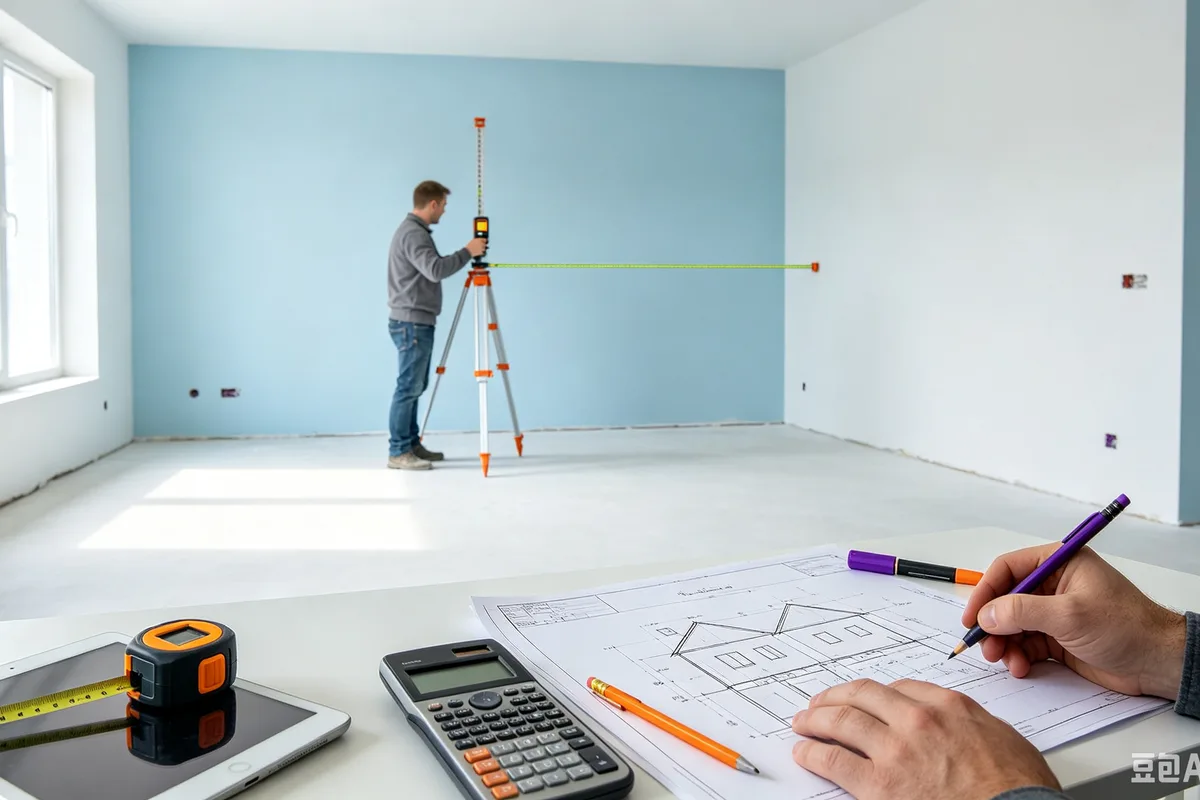
Once you've chosen your flooring type, accurate measurement and calculation are essential to avoid waste and ensure you have enough material. Use our flooring calculator for precise results:
Step 1: Calculate Floor Area
Wall Area =
Floor Area = Length × Width
Measure your room in feet for square footage
Step 2: Add Waste Allowance
Paint Needed =
Total Materials = Floor Area × 1.15
Add 15% extra for cutting waste, mistakes, and future repairs
Example Flooring Calculation
Let's walk through a real-world example to see how these calculations work. Suppose you have a living room that's 15 feet long and 12 feet wide, and you want to install hardwood flooring.
- Step 1: Calculate Floor Area = 15 × 12 = 180 sq ft
- Step 2: Add 15% Waste Allowance = 180 × 1.15 = 207 sq ft
- Step 3: Hardwood comes in boxes covering 18 sq ft each
- Step 4: Number of Boxes = Ceiling(207 ÷ 18) = 12 boxes
Flooring Installation Tips
Whether you're hiring a professional or installing flooring yourself, these tips will help ensure a successful project:
- Measure Twice: Always measure your space at multiple points and use the largest dimension to avoid underestimating materials.
- Acclimate Materials: Let flooring materials sit in the room for 48 hours before installation to adjust to humidity levels.
- Use Quality Underlayment: Invest in good underlayment—it improves comfort, reduces noise, and extends the life of your flooring.
- Start from the Center: Begin installation from the center of the room to ensure balanced cuts on both sides.
- Leave Expansion Gaps: Leave ¼-inch gaps around the perimeter for wood and laminate flooring to allow for seasonal expansion.
- Clean as You Go: Keep the work area clean during installation to prevent debris from damaging new flooring.
Common Flooring Mistakes
Avoid these common mistakes when selecting and installing flooring:
- Choosing the wrong material for the room: Installing hardwood in a bathroom or carpet in a mudroom will lead to premature failure and costly replacements.
- Ignoring moisture conditions: Failing to address moisture issues in basements or subfloors before installation can cause warping, buckling, and mold growth.
- Buying insufficient materials: Always add 10-15% waste allowance. Running out of flooring mid-project means risking color mismatches between batches.
- Forgetting installation costs: Professional installation can double the total cost. Factor this into your budget before selecting materials.
- Not acclimating flooring: Wood and laminate flooring need time to adjust to your home's humidity levels. Failure to acclimate causes warping and gaps.
- Skimping on underlayment: Quality underlayment improves comfort, reduces noise, and protects your flooring. Cheap underlayment leads to premature wear.